
Sub-Total: $0.00
Happy Birthday USA Seed Collection
$20.80
Description
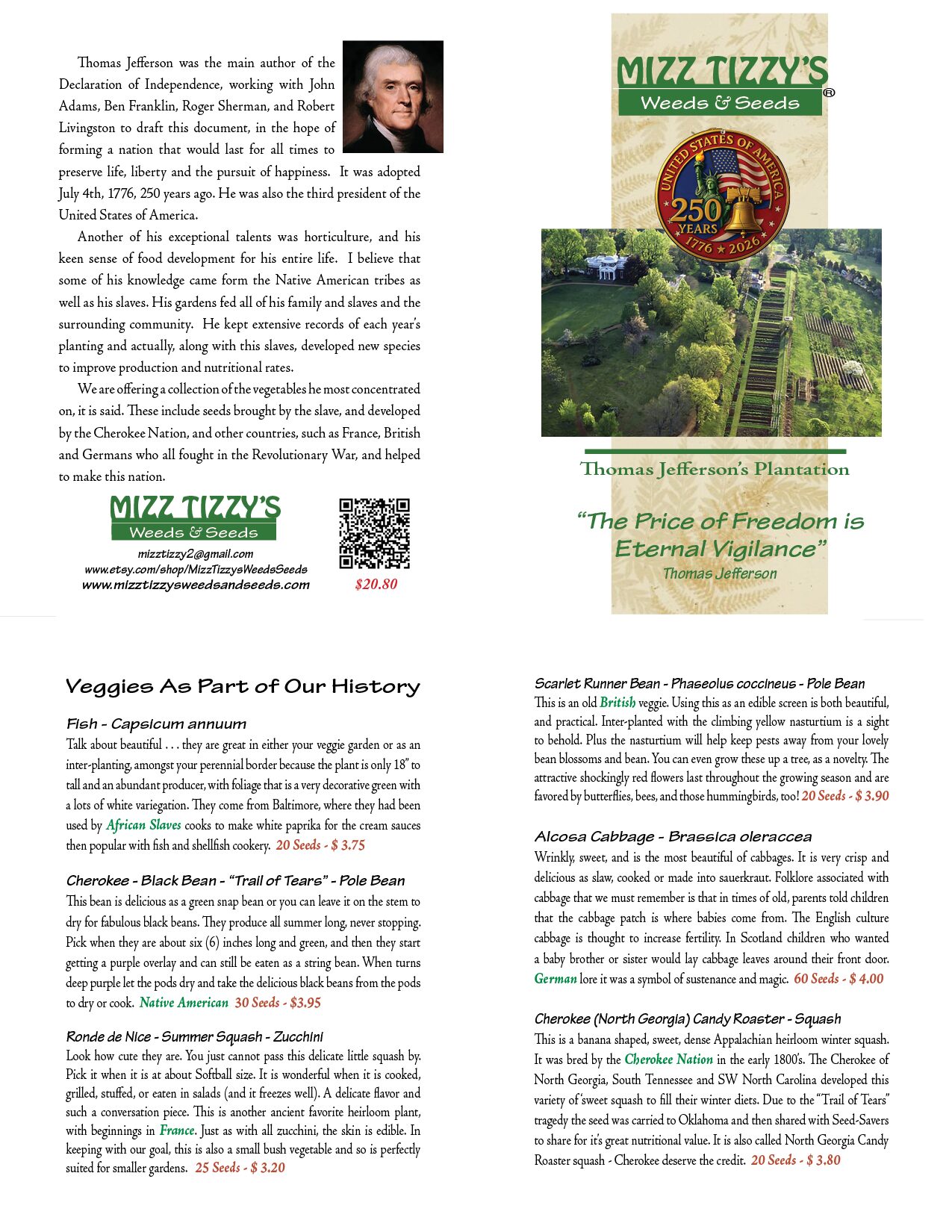
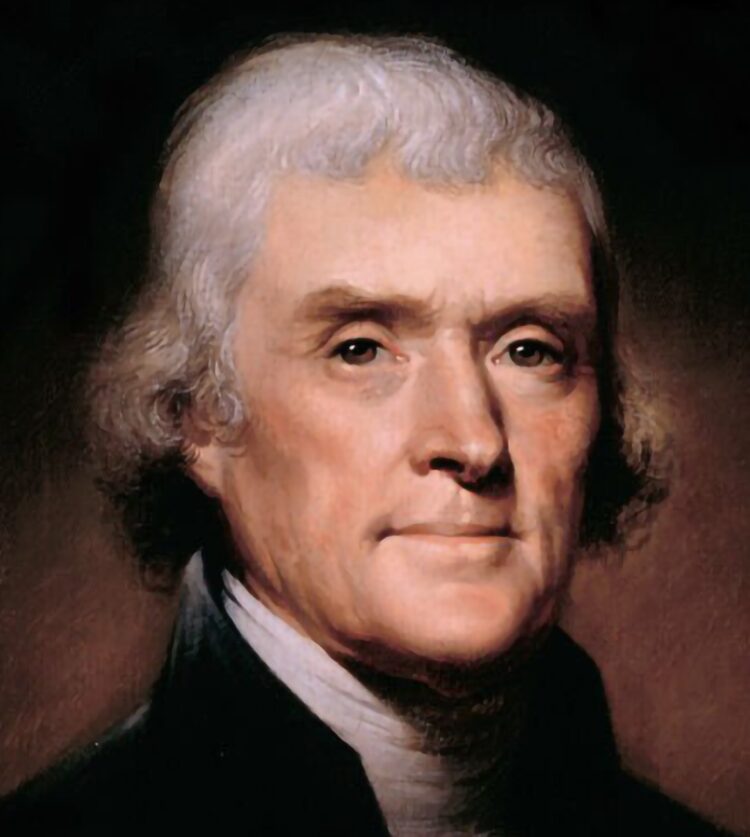
Thomas Jefferson was the main author of the Declaration of Independence, working with John Adams, Ben Franklin, Roger Sherman, and Robert Livingston to draft this document, in the hope of forming a nation that would last for all times to preserve life, liberty and the pursuit of happiness. It was adopted July 4th, 1776, 250 years ago. He was also the third president of the United States of America.
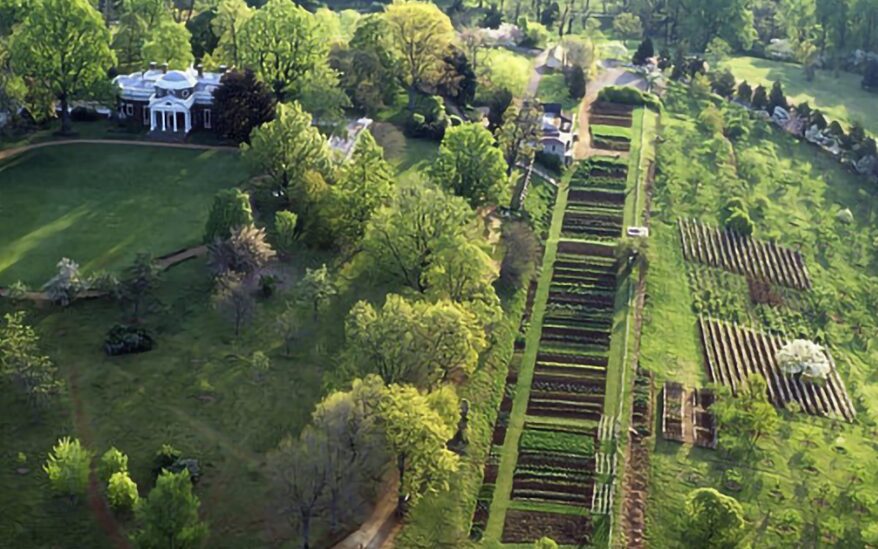
Another of his exceptional talents was horticulture, and his keen sense of food development for his entire life. I believe that some of his knowledge came form the Native American tribes as well as his slaves. His gardens fed all of his family and slaves and the surrounding community. He kept extensive records of each year’s planting and actually, along with this slaves, developed new species to improve production and nutritional rates.
We are offering a collection of the vegetables he most concentrated on, it is said. These include seeds brought by the slave, and developed by the Cherokee Nation, and other countries, such as France, British and Germans who all fought in the Revolutionary War, and helped to make this nation.
Thomas Jefferson’s Plantation
“The Price of Freedom is Eternal Vigilance”
Thomas Jefferson
Veggies As Part of Our History
Includes all of the following:
Fish-Capsicum annuum
Talk about beautiful… they are great in either your veggie garden or as an inter-planting, amongst your perennial border because the plant is only 18″ to tall and an abundant producer, with foliage that is a very decorative green with a lots of white variegation. They come from Baltimore, where they had been used by African Slaves cooks to make white paprika for the cream sauces then popular with fish and shellfish cookery. 20 Seeds – $ 3.75
Cherokee – Black Bean – “Trail of Tears” – Pole Bean This bean is delicious as a green snap bean or you can leave it on the stem to dry for fabulous black beans. They produce all summer long, never stopping. Pick when they vare about six (6) inches long and green, and then they start getting a purple overlay and can still be eaten as a string bean. When turns deep purple let the pods dry and take the delicious black beans from the pods to dry or cook. Native American 30 Seeds – $3.95
Ronde de Nice – Summer Squash – Zucchini
Look how cute they are. You just cannot pass this delicate little squash by. Pick it when it is at about Softball size. It is wonderful when it is cooked, grilled, stuffed, or eaten in salads (and it freezes well). A delicate flavor and such a conversation piece. This is another ancient favorite heirloom plant, with beginnings in France. Just as with all zucchini, the skin is edible. In keeping with our goal, this is also a small bush vegetable and so is perfectly suited for smaller gardens. 25 Seeds – $3.20
Scarlet Runner Bean – Phaseolus coccineus – Pole Bean This is an old British veggie. Using this as an edible screen is both beautiful, and practical. Inter-planted with the climbing yellow nasturtium is a sight to behold. Plus the nasturtium will help keep pests away from your lovely bean blossoms and bean. You can even grow these up a tree, as a: novelty. The attractive shockingly red flowers last throughout the growing season and are favored by butterflies, bees, and those hummingbirds, too! 20 Seeds – $3.90
Alcosa Cabbage – Brassica oleraccea Wrinkly, sweet, and is the most beautiful of cabbages. It is very crisp and delicious as slaw, cooked or made into sauerkraut. Folklore associated with cabbage that we must remember is that in times of old, parents told children that the cabbage patch is where babies come from. The English culture cabbage is thought to increase fertility. In Scotland children who wanted a baby brother or sister would lay cabbage leaves around their front door. German lore it was a symbol of sustenance and magic. 60 Seeds – $4.00
Cherokee (North Georgia) Candy Roaster – Squash
This is a banana shaped, sweet, dense Appalachian heirloom winter squash. It was bred by the Cherokee Nation in the early 1800’s. The Cherokee of North Georgia, South Tennessee and SW North Carolina developed this variety of ‘sweet squash to fill their winter diets. Due to the “Trail of Tears” tragedy the seed was carried to Oklahoma and then shared with Seed-Savers to share for it’s great nutritional value. It is also called North Georgia Candy
Roaster squash – Cherokee deserve the credit. 20 Seeds – $ 3.80

Reviews
There are no reviews yet.